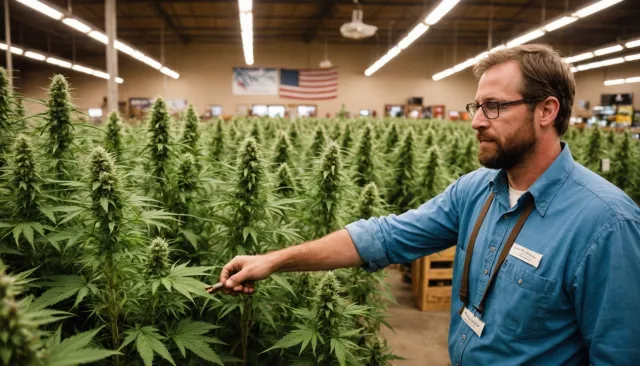
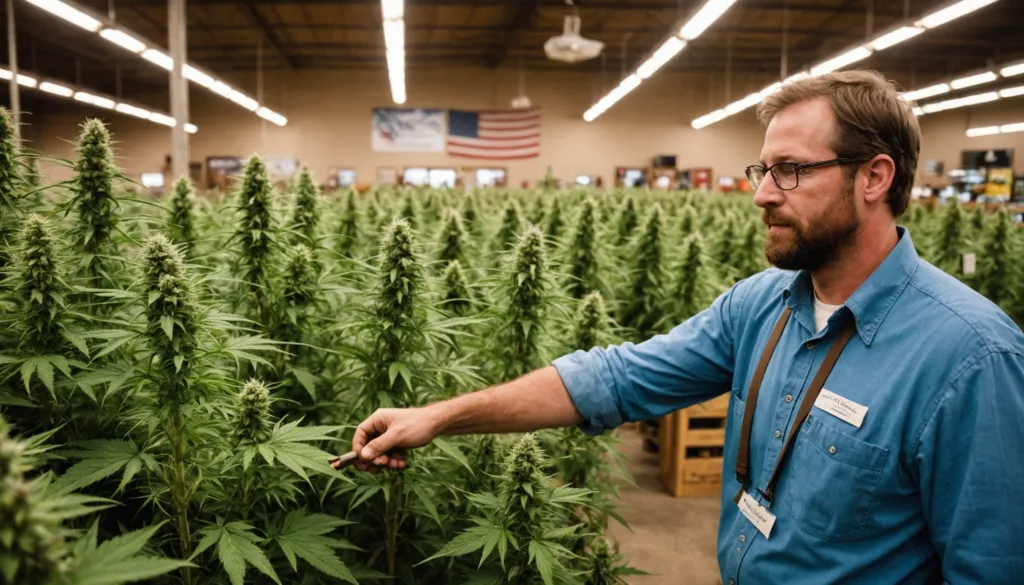
A federal deadline in December could reshape hemp retail across Pennsylvania, and a Lancaster County farmer and shop owner says the stakes go well beyond his own storefronts. Jake Sitler, founder of the hemp brand Endo and president of the Pennsylvania Hemp and Cannabis Guild, is watching Congress weigh tighter restrictions or an outright ban on hemp-derived products that has defined the industry since the 2018 Farm Bill legalized hemp cultivation nationwide.
The mechanics matter here. Hemp-derived products containing Delta 9 THC below a federal threshold have operated in a gray zone separate from state-licensed adult-use cannabis, sold in convenience stores, wellness shops and beverage coolers without the same seed-to-sale tracking, dispensary licensing or point-of-sale compliance that regulated cannabis operators must follow. That gap - the one Pennsylvania Attorney General Dave Sunday has flagged as a public safety concern - is exactly what Congress closed at the federal level, and what state lawmakers are now scrambling to address. For operators trying to run a compliant, multi-location business, the contrast is stark; licensed cannabis retailers already answer to lab testing requirements, compliant packaging rules and age-verification protocols, while a hemp shop selling a similar cannabinoid could, until now, operate with far less oversight. Retailers weighing how regulated, multi-site operations manage inventory and compliance across state lines sometimes look to tools like multi location dispensary software delaware as a benchmark for what structured, auditable retail systems actually look like once a product category matures into a licensed framework.
Why the Loophole Became a Flashpoint
Hemp's legal status hinges on a THC percentage threshold rather than a hard cap on how much intoxicating compound ends up in a finished product. That distinction let manufacturers infuse beverages, gummies and topicals with Delta 9 THC derived from hemp, sidestepping the licensing structure, excise tax obligations and seed-to-sale tracking that adult-use and medical cannabis operators must meet. Sitler doesn't dispute that some companies exploited that gap. "There's been a bad side to the industry that's really hurt," he said, adding that responsible operators have worked to distinguish themselves. He posts 21-and-older signage in his stores and says he supports regulation - just not a ban that would, in his words, decimate an industry built on legitimate farming and small retail investment.
What's at Risk for Operators and Farmers
A federal ban or a poorly calibrated state rule doesn't just affect finished-product retailers; it ripples through the entire supply chain, from hemp cultivation contracts to processing facilities to wholesale menus that list CBD and minor cannabinoid products alongside Delta 9 lines. Farmers who shifted acreage toward hemp after 2018 face contract uncertainty. Retailers face inventory write-offs on compliant packaging and product batches that could become unsellable overnight. And unlike licensed cannabis businesses, which have built compliance infrastructure - lab testing, certificates of analysis, tax withholding under Section 280E - many hemp retailers have operated with lighter overhead, meaning a sudden regulatory shift could hit margins harder and faster than operators in the licensed cannabis channel.
The Compromise Sitler Wants
As guild president, Sitler has pushed for middle ground: regulation that closes the loophole regulators worry about - particularly around youth access - without eliminating agricultural production or forcing responsible retailers out of business. That kind of compromise would likely mean age restrictions, potency limits, mandatory lab testing and clearer labeling standards, essentially importing pieces of the compliance framework licensed cannabis retailers already use. Whether Congress or Harrisburg lands there before the December deadline remains an open question, and for hemp farmers and shop owners across Pennsylvania, the answer will determine whether their business model survives in something close to its current form.