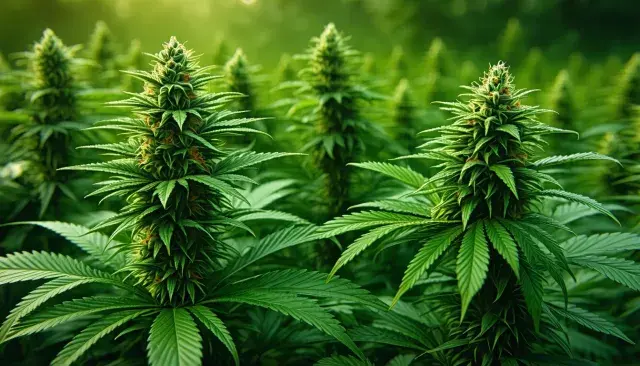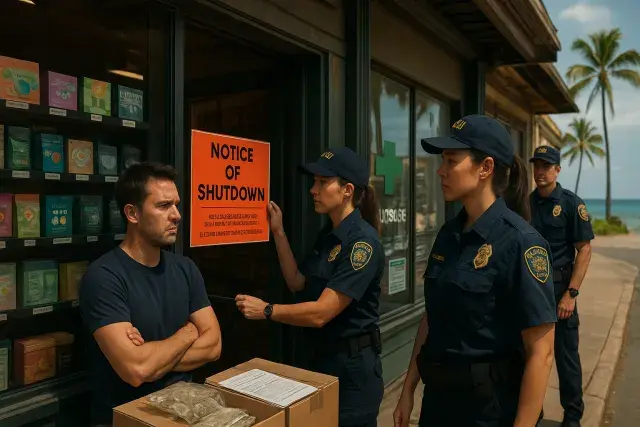
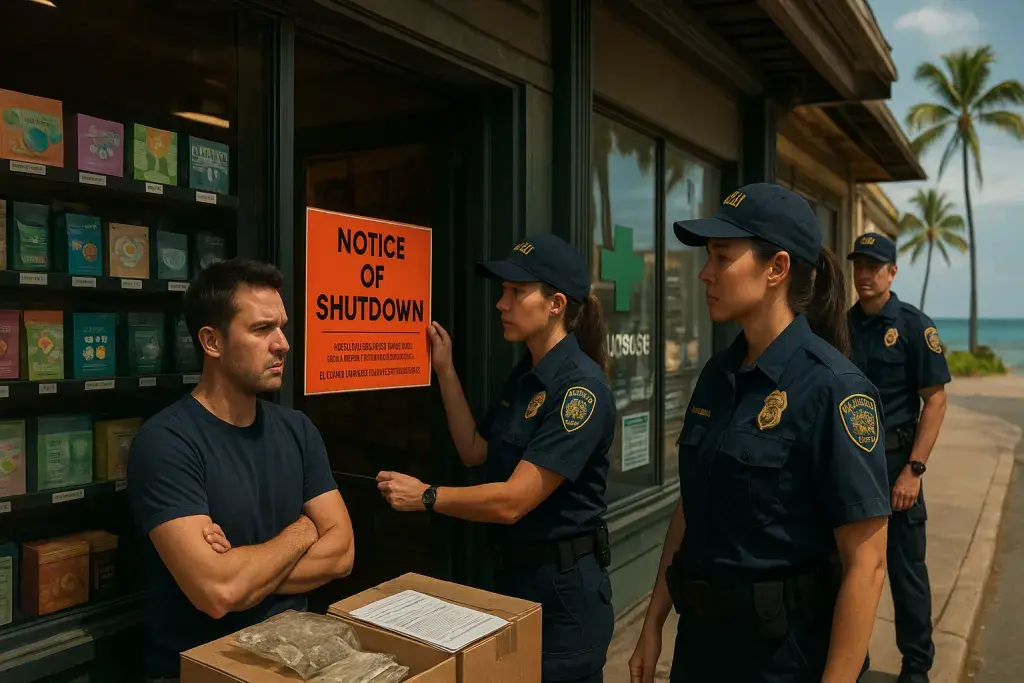
Hawaiʻi's Department of Health has moved to empty the shelves of dozens of retail shops that had been selling hemp-derived THC gummies, vapes and pre-rolls without a medical marijuana license. The enforcement action, rolled out under Act 269 and a set of interim administrative rules, has hit stores across Oʻahu hard, cutting off a product line that had quietly become a parallel market to the state's licensed dispensary system. For operators like Lance Alyas, who runs Oʻahu Dispensary and Provisions, the crackdown isn't an abstract policy dispute - it's a direct threat to payroll and inventory that had been built around federally legal hemp.
The mechanics here matter for anyone running a cannabis-adjacent retail operation, whether in Hawaiʻi or elsewhere in the Pacific. The 2018 Farm Bill legalized hemp containing no more than 0.3% delta-9 THC by weight, which opened the door nationally to a wave of gummies, drinks and smokable products that mimic intoxicating cannabis without technically qualifying as marijuana under federal law. Hawaiʻi's 2020 hemp-cultivation law never extended that same permission to processing or retail sale of THC products, which left a gap unregulated retailers exploited for years - a gap regulators are now closing through registration requirements and store inspections. Retailers operating in adjacent island markets have faced similar compliance pressure, and many have turned to platforms offering cannabis pos northern mariana islands operators use to track inventory and stay ahead of shifting registration rules, a reminder that seed-to-sale visibility isn't optional once regulators start asking questions.
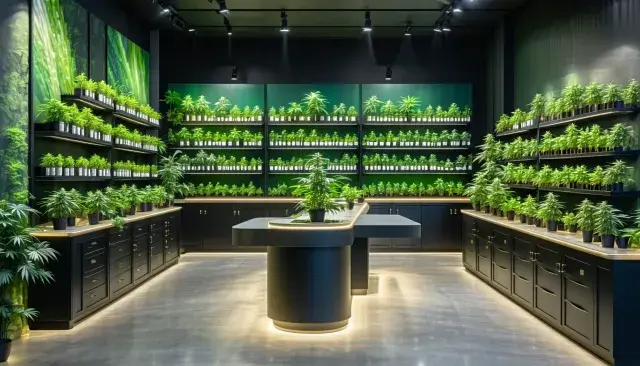
What's striking is how this fight maps onto a familiar tension in regulated cannabis markets: licensed operators playing by strict compliance rules, versus a faster-moving, lower-cost segment operating in gray areas of federal and state law. Hawaiʻi's eight licensed medical dispensaries are limited by statute, subject to lab testing, compliant packaging requirements and seed-to-sale tracking obligations that unlicensed hemp retailers never had to meet. That imbalance is exactly what pushed dispensary executives to lobby lawmakers, arguing that unregulated shops were siphoning off a market worth far more than what was flowing through licensed channels.
The Compliance Gap That Built an Entire Market
Unlicensed retailers thrived precisely because they didn't carry the overhead of the medical dispensary system - no cannabis control agent inspections, no requirement to register with the Office of Medical Cannabis Control and Regulation, no mandate to prove products stayed under Hawaiʻi's THC thresholds. That absence of oversight is also the consumer-safety weak point critics point to: products sold outside the licensed system hadn't necessarily gone through the same testing regime medical cannabis is required to pass, meaning potency claims and contaminant screening couldn't be verified the way regulators expect for products marketed to adults.
What Operators and Suppliers Should Take From This
For dispensary owners, brand suppliers and point-of-sale vendors watching this play out, the takeaway isn't really about Hawaiʻi's geography - it's about how quickly a federal loophole can turn into a state enforcement priority once licensed competitors start losing wholesale volume. Congress has already moved to redefine hemp at the federal level, a change that would close the loophole nationally regardless of how Alyas' lawsuit resolves in Honolulu federal court. Operators building a business model around hemp-derived THC, wherever they're located, should treat that federal shift as the bigger variable, not a distraction from the state-level fight.
A Market Still Working Out Its Rules
Whether Hawaiʻi's approach survives the supremacy clause and dormant commerce clause challenges Alyas has raised is now a matter for the federal court to sort out. In practice, though, the underlying policy question - how much regulatory burden should fall on licensed dispensaries versus lightly regulated hemp retailers - isn't unique to Hawaiʻi. It's a live issue anywhere a state has built a capped-license medical or adult-use system alongside a federal hemp market that plays by different rules entirely.