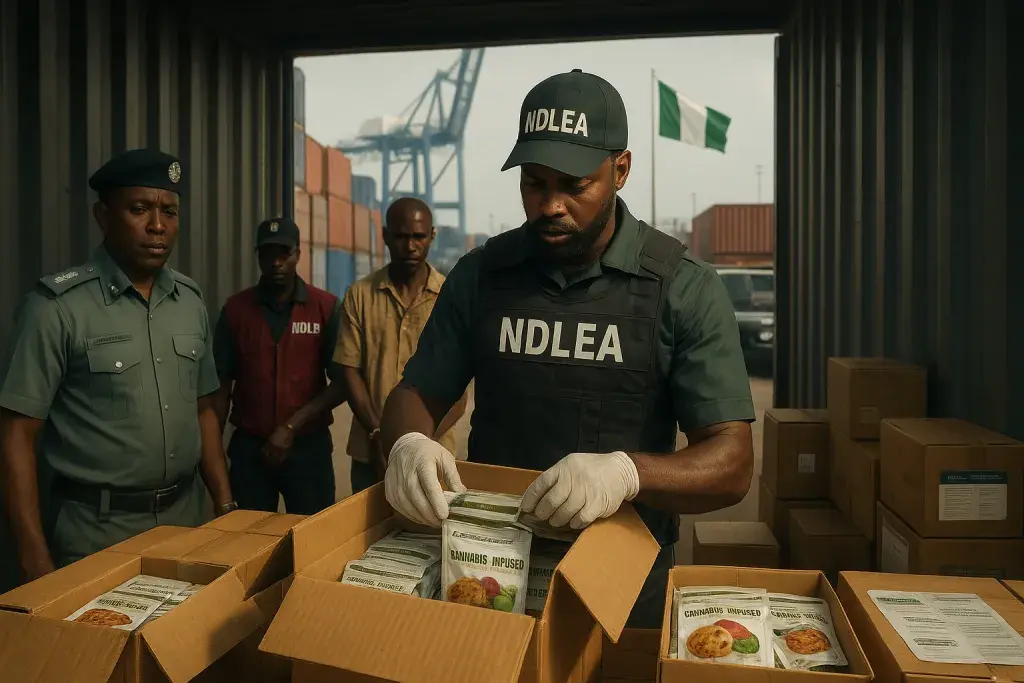
Nigerian counter-narcotics agents pulled 442 packets of cannabis-infused cookies and gummies, totaling 309.4 kilogrammes, out of a 40-foot shipping container at the TinCan Island Port Complex in Lagos on August 4. The consignment, packed into 73 cartons, was flagged during a joint examination by the National Drug Law Enforcement Agency, the Nigeria Customs Service, and other security agencies. One suspect, Larry Nnaji, was arrested in connection with the find, according to a statement from NDLEA spokesperson Femi Babafemi.
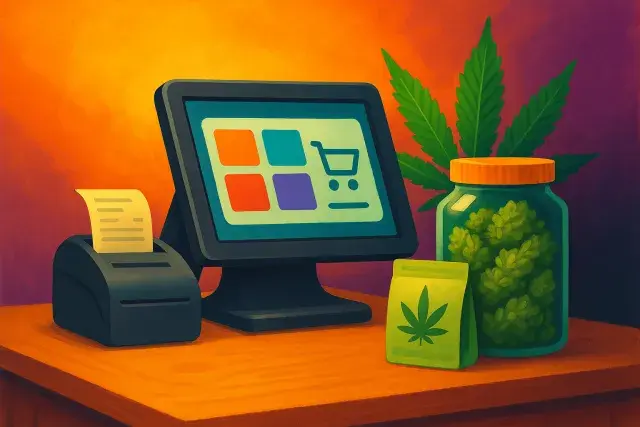
For anyone watching the legal cannabis sector from a business angle, this kind of interdiction is a useful reminder of why regulated markets build such heavy documentation trails around edibles in the first place. In jurisdictions where infused products are legal, every batch of gummies or cookies is supposed to move through seed-to-sale tracking, get a certificate of analysis from a licensed lab, and land on shelves in child-resistant, clearly labeled packaging before a single unit reaches a register. Compare that to what happened in Lagos: no COA, no manifest tied to a licensed distributor, no age-gated retail environment - just product hidden in a container and routed around every checkpoint that legal markets are built to enforce. Operators running a licensed storefront in Minneapolis or Duluth manage that same tension daily, which is part of why software choices matter; a dispensary leaning on a purpose-built cannabis POS for Minnesota dispensaries isn't just ringing up sales, it's generating the compliance logs that separate a lawful transaction from exactly the kind of shipment Nigerian authorities just intercepted. cannabis POS for Minnesota dispensaries
Why Edibles Draw Extra Scrutiny at Ports and Borders
Infused confectionery is a persistent headache for customs and drug enforcement units worldwide, and not because the product itself is unusually dangerous to move. The problem is concealment. Cookies and gummies look like ordinary snack food, they don't carry an odor the way flower does, and they can be packed into cartons that blend into a container manifest full of legitimate consumer goods. That makes edibles a preferred format for traffickers trying to slip product past inspection, and it's precisely why regulated markets lean so hard on compliant packaging, batch-level labeling, and inventory reconciliation. A legal operator's entire paper trail exists to prove a product isn't what this Lagos shipment turned out to be.
A Pattern of Seizures Across Nigerian States
The TinCan Island interception wasn't an isolated event. Between August 3 and August 8, NDLEA operatives recorded several other major actions: 731.03kg of illicit drugs recovered from a warehouse raid in Elebure village, Oyo State, with suspect Felicia Thompson arrested and an alleged partner still at large; 604.5kg of skunk found in 65 jumbo bags at Ewe Luleha in Edo State, backed by military support; 7kg of skunk recovered from a drug joint operator in Abia State; and 88.5kg of skunk seized from a wanted dealer in Badagry, Lagos, following a three-month manhunt. NDLEA Chairman Brig. Gen. Mohamed Buba Marwa (retd.) commended the commands involved and urged personnel to sustain the pace, while also directing officers to keep pairing enforcement with the agency's broader drug-control approach.
What It Signals for Licensed Operators Elsewhere
None of this touches licensed cannabis retail directly, since Nigeria has no legal adult-use or medical framework of the kind operating in parts of the United States. But the case is a plain illustration of the enforcement risk that exists anywhere cannabis products move outside a regulated chain of custody. For operators in legal markets, it reinforces a simple point: the paperwork isn't bureaucratic overhead, it's the entire basis on which a product is presumed lawful. Lab testing, manifest tracking, and point-of-sale documentation aren't just about passing a state audit - they're what separates a compliant wholesale shipment from a container that customs agents in Lagos, or anywhere else, have every reason to open.