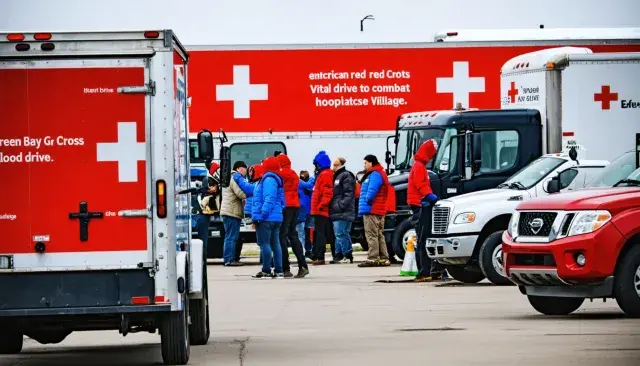
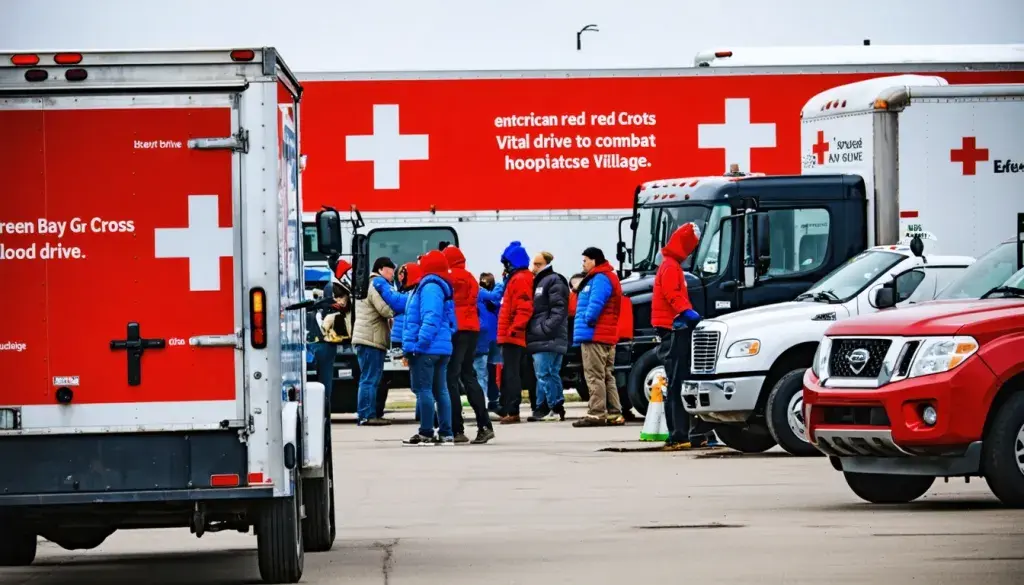
In Green Bay, Wis., the American Red Cross is organizing a full-day community blood drive on Wednesday, running from 7 a.m. to 7 p.m. at Johnsonville Tailgate Village. This initiative addresses a critical nationwide blood shortage, enabling local residents to directly support life-saving medical care amid rising hospital demands.
Event Essentials and Participation
The blood drive emphasizes accessibility for all eligible donors, with appointments strongly recommended to minimize wait times. Walk-ins are accommodated, ensuring broad community involvement.
- Location: Johnsonville Tailgate Village in Green Bay
- Hours: 7 a.m. to 7 p.m., providing flexible slots for working professionals and families
- Scheduling: Visit redcrossblood.org, call 1-800-RED-CROSS (1-800-733-2767), or use the Red Cross Blood Donor app
Donors should eat well, stay hydrated, and bring ID. The process typically takes about an hour, yielding up to three transfusions per pint donated.
Understanding the Blood Shortage Crisis
Hospitals nationwide face an urgent need for all blood types, exacerbated by seasonal fluctuations, surgical backlogs, and ongoing recovery from pandemic disruptions. In the U.S., someone requires blood every two seconds, yet the Red Cross reports donation levels 20-25% below target during winter months due to holidays, weather, and illness.
Public health experts note that Type O blood, especially O-negative as the universal donor, remains in perpetually high demand for emergencies like trauma and childbirth complications. Green Bay's drive aligns with broader efforts to replenish supplies, preventing delays in treatments for cancer patients, accident victims, and surgical cases.
Health Impacts and Community Benefits
Participating not only aids strangers but yields personal health insights: free mini-physicals screen for blood pressure, pulse, temperature, and hemoglobin levels, potentially flagging issues early. Regular donors reduce iron overload risks and support cardiovascular health through monitored checkups.
On a societal level, community drives like this foster resilience against supply chain vulnerabilities. With aging populations driving a 10% annual rise in transfusion needs, localized events counteract donor fatigue and geographic barriers, ensuring equitable access to care in regions like northeast Wisconsin.
Future Outlook for Donation Drives
Sustaining blood supplies requires consistent participation, as one donation lasts only 112 days in the body. Experts predict intensified shortages without increased turnout, urging workplaces and groups to organize similar events. Green Bay's initiative sets a model, potentially inspiring neighboring communities to prioritize this quiet heroism amid everyday routines.