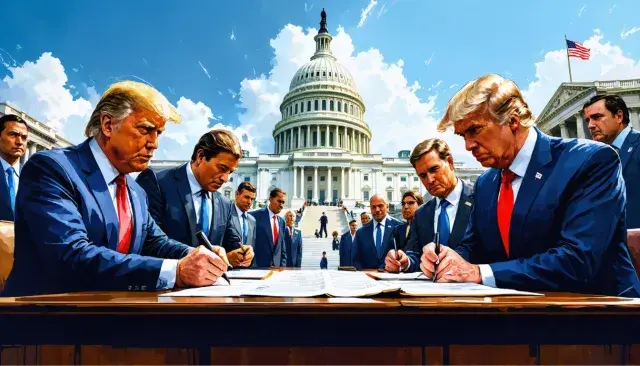
In a provision tucked into last month's federal government funding bill ending the longest U.S. shutdown, Congress approved a ban on hemp-derived THC products, set to take effect in 2026. This move from Upper Michigan's hemp landscape addresses a critical public health gap, prioritizing safety over unregulated highs.
The 2018 Loophole and Its Exploits
The 2018 Farm Bill legalized hemp but inadvertently created a pathway for intoxicating products. Filmmaker Rob Rosen, in his 2024 documentary High Stakes, exposed how manufacturers spiked low-THC hemp extracts with synthetic compounds, evading marijuana laws. These Delta-8 and similar items flooded gas stations and shelves—even in legal marijuana states like Michigan—often without oversight.
- Hemp naturally contains trace THC (under 0.3%).
- Unregulated additives made products far more potent and risky.
- Lab tests revealed dangerous, untested chemicals.
Health Risks Driving Regulation
Rosen's investigations highlighted real dangers: products mimicking marijuana's effects but lacking safety standards, accessible to youth and bypassing dispensary controls. Public health experts have long warned of contaminated vapes and edibles leading to hospitalizations. This ban, limiting total THC to 0.4 milligrams per container, aims to eliminate these threats, shifting consumers toward regulated cannabis where available.
Broader trends show a maturing industry: as states tighten rules, federal action aligns with declining youth THC experimentation rates—down 20% in recent CDC data—while adult therapeutic use rises under medical supervision.
Industry Pushback and Future Outlook
Not everyone welcomes the change. Kentucky Senator Rand Paul argues the strict THC cap guts hemp's viability as a cash crop for pain and anxiety relief, potentially wiping out most products. Farmers who pivoted to hemp post-2018 now face uncertainty.
Yet, licensed dispensaries like Upper Michigan's Fire Station Cannabis Company remain unfazed, stocking only state-tested marijuana products. Lawmakers signal amendments before 2026, balancing farmer livelihoods with safety. Expect refined thresholds to preserve non-intoxicating hemp like CBD while curbing synthetics—a win for evidence-based policy in America's evolving cannabis era.