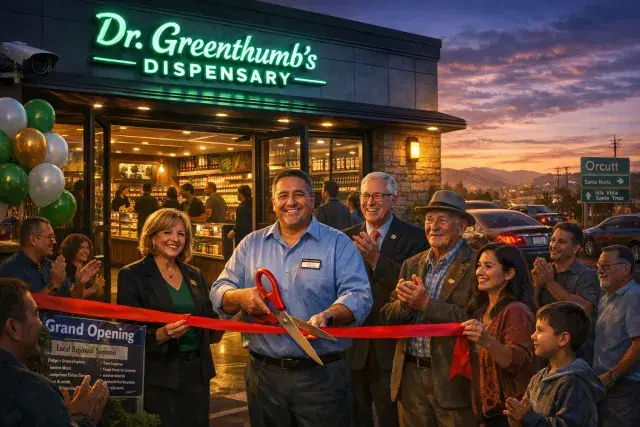
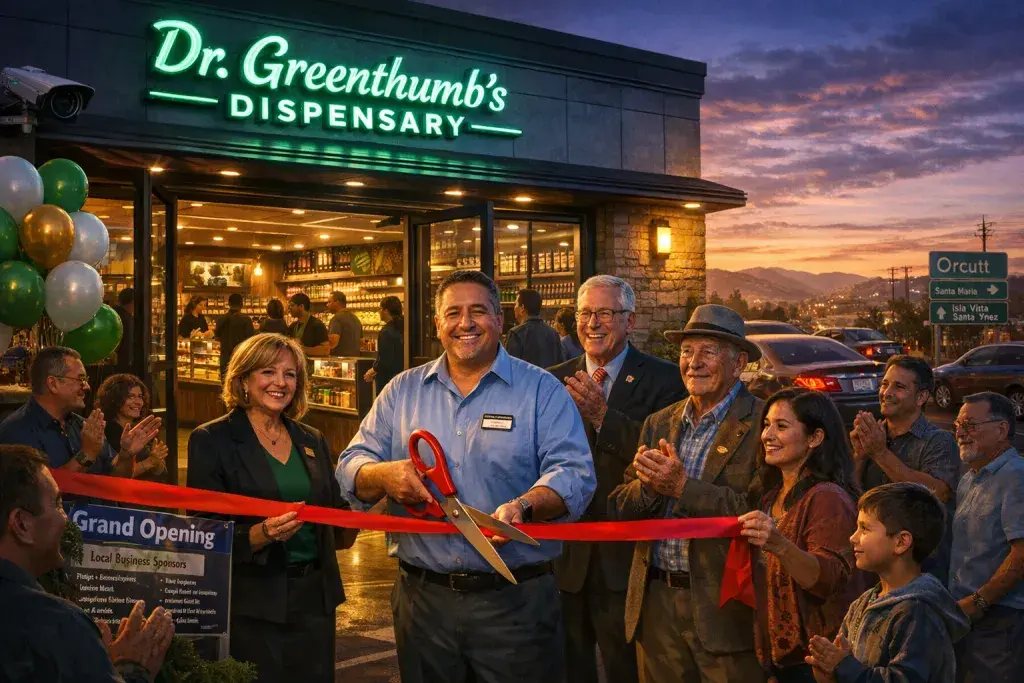
Dr. Greenthumb’s cannabis dispensary launched on December 7 at 1604 East Clark Ave, Ste. 101, in Orcutt, becoming the third of six approved storefronts in unincorporated Santa Barbara County to open. This development offers Santa Maria Valley residents a second local option for regulated cannabis, signaling growing normalization and community-focused access in a tightly controlled market.
Navigating the County’s Strict Licensing Framework
Santa Barbara County caps dispensaries at six across specific unincorporated areas—Eastern Goleta Valley, Isla Vista, Los Alamos, Orcutt, Santa Ynez, and Toro Canyon/Summerland—to prevent oversaturation. Currently, Isla Vista, Orcutt, and Santa Ynez operate, while others advance through permitting.
- Approval hinges on Chapter 50, Section 50-7(b), emphasizing neighborhood compatibility.
- Applications require 85% score minimum: 10% business proposal, 90% compatibility plan.
- Orcutt’s Dr. Greenthumb’s topped rankings, securing land use permit, business license, and state DCC licensure.
Prior public meetings shaped priorities like odor control, parking, and education plans, ensuring dispensaries blend seamlessly.
Community Engagement and Product Safety Emphasis
General manager Thomas Casarez highlights positive feedback, especially from Santa Maria locals appreciating proximity over distant options. The store adopts a “grocery store model” with diverse products—from sleep aids to pain relief—backed by knowledgeable staff and third-party testing for contaminants and pesticides.
- Mandatory plans cover customer education, community involvement, and security measures.
- Invites skeptics to visit without purchase, demystifying regulated sales.
- Supports local businesses and events, fostering goodwill.
Implications for Public Health and Cultural Shifts
This rollout reflects broader trends in cannabis legalization, prioritizing quality over illicit markets. Regulated dispensaries reduce risks from untested products, aligning with public health goals by promoting education on dosage, strains, and interactions—vital as medical use grows for chronic pain and anxiety. In rural valleys like Santa Maria, such outlets bridge access gaps, potentially lowering black-market reliance while integrating into community fabric. As remaining sites open, expect heightened scrutiny on efficacy of these controls in balancing economic benefits with social harmony.