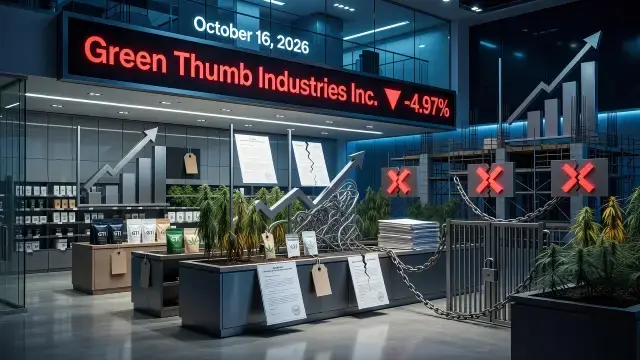
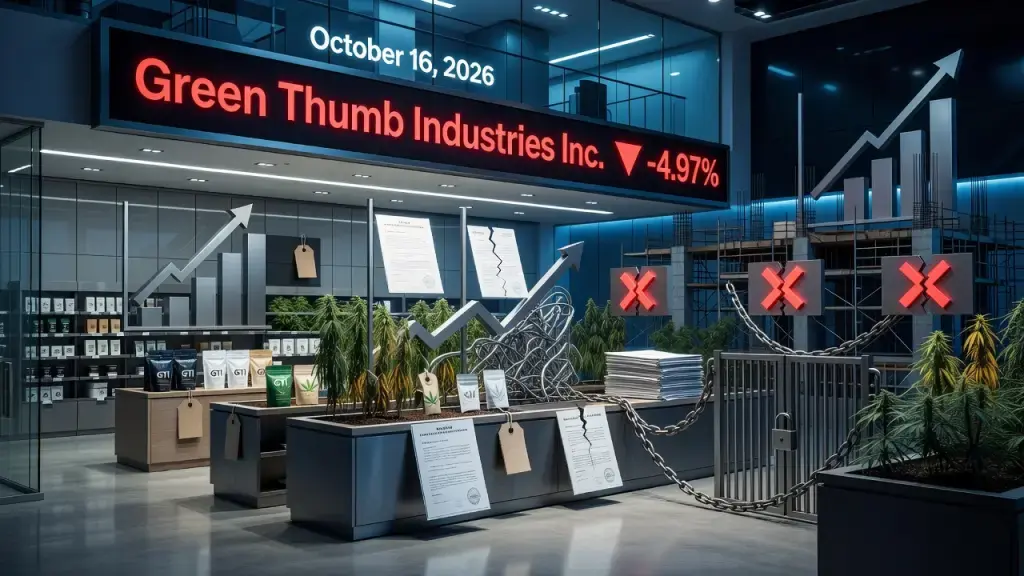
Green Thumb Industries Inc. shares fell 4.97% on October 16, 2026, extending a stretch of weak trading for one of the cannabis industry's most closely watched multi-state operators. The decline reflects something broader than a single bad session - it's a readout of how institutional investors are pricing regulatory stagnation, margin pressure, and tighter capital conditions across the whole sector. For a company built on both branded consumer packaged goods and a national dispensary footprint, that's not a small thing.
Why the Sell-Off Isn't Really About One Company
Here's the catch with cannabis equities: they trade less like traditional retail stocks and more like policy proxies. Green Thumb has long been considered a relatively disciplined operator - positive operating cash flow, a tighter balance sheet than many peers - yet none of that insulates the stock from sector-wide fatigue. Federal prohibition still blocks interstate commerce, denies standard banking relationships, and keeps 280E tax treatment firmly in place, which means cannabis companies pay federal tax on gross profit rather than net income. That's a structural drag no amount of operational discipline fully offsets.
Institutional allocators have been trimming exposure to high-beta, policy-sensitive names generally, and cannabis sits near the top of that list. When risk appetite cools, operators with otherwise solid fundamentals get swept up in the same outflow as weaker names.
Margin Compression Hits the Store Floor and the Wholesale Menu
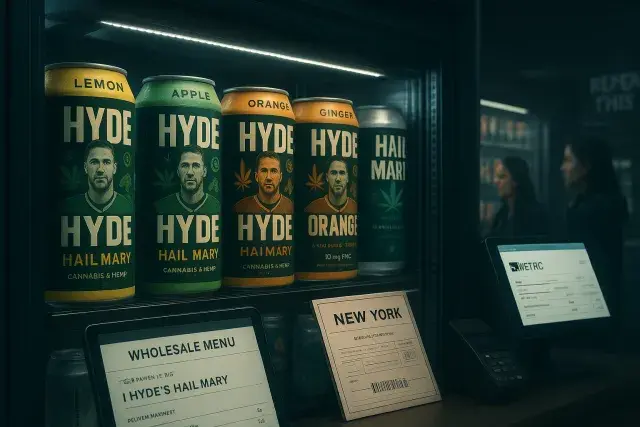
Operationally, the pressure is showing up in two places at once: retail and wholesale. In mature adult-use markets, oversupply has pushed cultivators and brands toward aggressive discounting just to move product batches through distribution. That compresses wholesale pricing, squeezes manufacturer margins, and eventually shows up on dispensary shelves as thinner basket economics. Add in rising costs across agricultural inputs, labor, and compliance infrastructure - think seed-to-sale tracking via METRC, lab testing and COA documentation, compliant packaging requirements - and the cost side of the ledger keeps climbing even as pricing power erodes.
For store-level operators, this is the real-world translation: slower traffic, smaller average tickets, and a harder conversation with landlords and lenders about growth timelines. Capital-intensive expansion - new store buildouts, cultivation facility scaling - gets more expensive when interest rates stay restrictive and traditional commercial lending remains largely off-limits.
What the Risk Matrix Looks Like for Operators and Investors
Anyone evaluating a multi-state operator right now is really weighing a layered set of risks, not a single variable:
- Regulatory uncertainty - federal rescheduling and banking reform remain unresolved, keeping capital costs elevated
- Demand softness - macro caution and tighter consumer discretionary spending affect retail traffic and basket size
- Funding and refinancing risk - limited access to conventional banking forces reliance on costlier alternative financing
- Execution risk - delays in store openings or cultivation scaling can trigger unplanned capital outlays
- Valuation risk - premium multiples leave little room for missteps if earnings visibility stays clouded
None of this means the long-term thesis is broken. The underlying argument for legal cannabis - continued state-level legalization, eventual federal policy movement, expanding adult-use and medical markets - hasn't gone anywhere. What's changed is the market's patience for paying up today on tomorrow's growth story.
What Would Actually Change the Narrative
To put it plainly, investors want proof, not projections. Sustained free cash flow, evidence that pricing compression has bottomed out, and real movement on tax or banking reform would all help. Until then, the near-term priority for operators like Green Thumb is less about aggressive footprint expansion and more about cost containment, inventory discipline, and protecting cash - unglamorous work, but the kind that determines who's still standing when the regulatory picture finally clears.