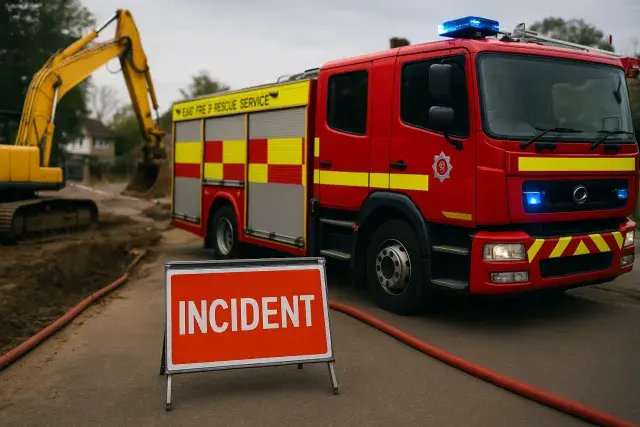
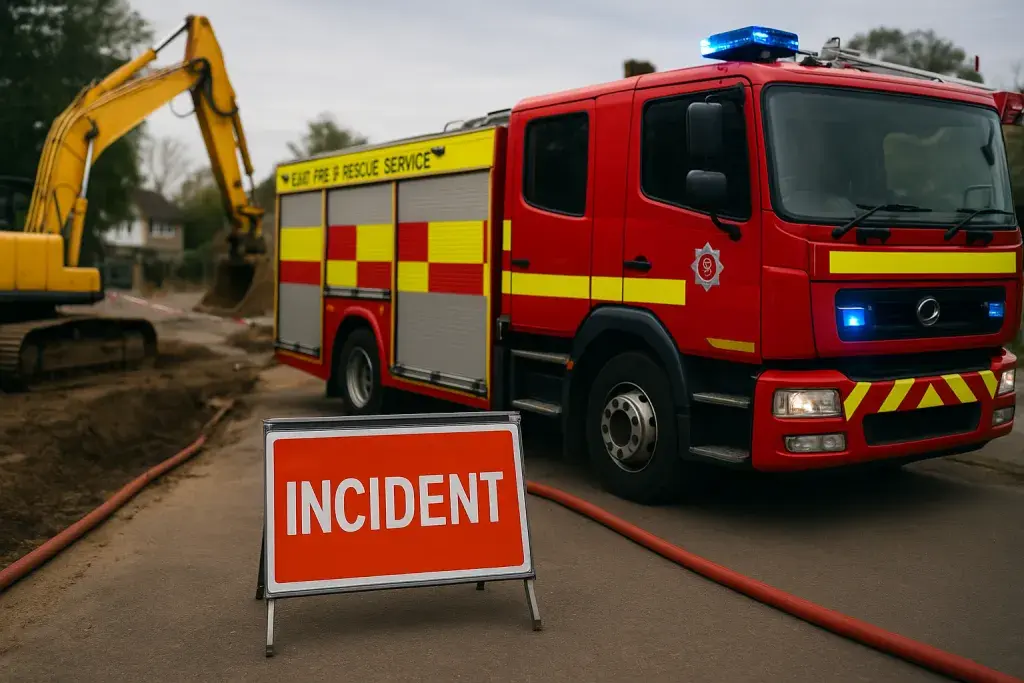
Kent Fire and Rescue Service is on scene at Westwood following a suspected gas leak, believed to have started when a digger punched through a mains pipe. One fire engine is stationed by the roundabout on Margate Road, close to the approach to Westwood Cross, and gas engineers are working alongside crews to secure the site. The surrounding road has been closed to traffic while the incident is managed.
Utility strikes like this one are a recurring headache for any business sitting near an active dig site, and retailers in mixed-use corridors near shopping destinations such as Westwood Cross know the drill: a single contractor error underground can shut down access, cut foot traffic, and force an unplanned closure with no warning. For regulated retailers - cannabis dispensaries among them, in markets where they operate near comparable retail parks - an incident like this is a reminder that physical security and continuity planning matter just as much as digital recordkeeping. A dispensary running on tightly audited inventory controls, the kind supported by platforms like Massachusetts seed-to-sale dispensary software, still has to reckon with the unglamorous reality that a snapped gas main outside the front door can idle a storefront regardless of how clean the compliance logs are.
Why Utility Strikes Matter to Nearby Retailers
A mains gas leak triggers an immediate public safety response, and that response takes precedence over commerce. Roads close, deliveries get rerouted, and staff scheduled for that shift may not be able to reach the site at all. For any storefront operating under strict access and security rules - dispensaries included, given their obligations around controlled entry, surveillance retention, and product security - an unplanned evacuation or lockdown zone raises real operational questions: how are compliance logs maintained if the location can't open, and what happens to time-stamped delivery manifests scheduled for that window?
Contingency Planning Is Not Optional
Retailers near active construction or utility work should treat incidents like this as a working case study, not a one-off. Point-of-sale downtime, blocked delivery routes, and forced closures all have knock-on effects for inventory reconciliation and tax reporting deadlines. Operators who build in redundancy - alternate delivery windows, offline POS fallback procedures, clear staff communication protocols - tend to absorb these disruptions with far less financial pain than those caught flat-footed.
A Reminder on Site Safety Coordination
Excavation near buried utility lines is governed by strict notification and marking requirements precisely because incidents like this one remain common. For property managers and tenants alike, the lesson is straightforward: confirm that any construction or utility work near a leased site has gone through proper line-locating procedures before digging starts. It's a basic step, but it's the one that gets skipped often enough to matter.