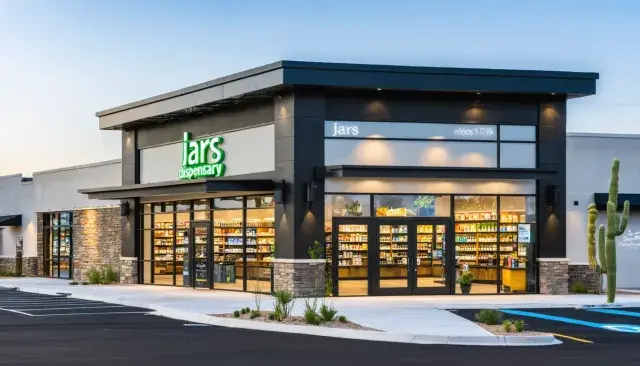

Fine Fettle, a major cannabis dispensary operator in Connecticut, has transformed its remaining recreational-only shops into hybrid stores that serve both medical patients and adult-use customers. Starting this week, locations in Manchester, Norwalk, Old Saybrook, Waterbury, and West Hartford join four existing hybrid sites in Bristol, Newington, Stamford, and Willimantic. The move addresses a sharp decline in the state's medical cannabis program amid competition from neighboring markets.
Declining Medical Patient Base Pressures Industry
Connecticut's registered medical cannabis patients fell from nearly 49,000 in early 2023 to under 32,000 as recreational sales launched. Total cannabis revenue dipped last year to $290 million from $293 million in 2024, per state Department of Consumer Protection data. Recreational sales rose by $17.5 million, but untaxed medical sales dropped $21 million, revealing a migration away from the program.
Patients Seek Options Across Borders and Online
Many patients allow registrations to lapse without shifting to recreational purchases in Connecticut. Experts point to draws in nearby states offering higher-potency products. Others turn to online vape shops or gas stations selling hemp items. Connecticut Cannabis Ombudsman Erin Gorman Kirk highlighted pressures from surrounding states and welcomed Fine Fettle's expansion to cut patient travel times.
Recent Legislation Eases Hybrid Conversions
June 2025 legislation enabled recreational retailers to convert to hybrid licenses without a lottery. It relaxed pharmacist rules: stores now require one on-site for at least eight hours weekly, with telehealth available otherwise. Fine Fettle Chief Operating Officer Ben Zachs credited these changes for avoiding staff cuts. The company instead broadened pharmacists' roles across nine sites.
Expansions Bring Costs and Confidence
Conversions demanded private consultation spaces, staff retraining, new scheduling, remote verification systems, menu redesigns, and inspections. Medical sales carry lower margins and cheaper prices, plus added inventory needs. Zachs said Fine Fettle views the effort as essential to restore access and service for patients whose program has suffered. He expects the changes to boost revenue as customers share positive experiences.