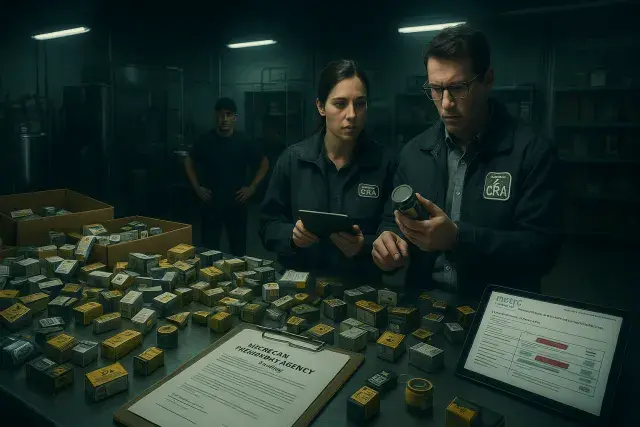
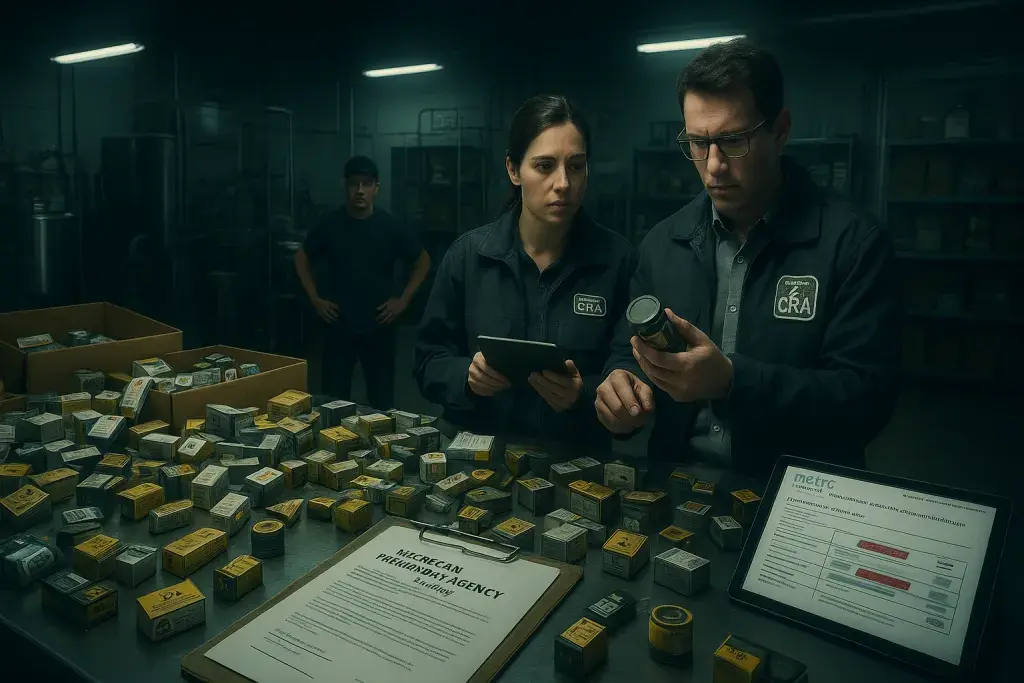
A Michigan cannabis processor is facing potential license revocation after state inspectors discovered more than 12,000 individual cannabis products without Metrc tags or any other identifying information on the premises - including products in California-specific packaging. The Michigan Cannabis Regulatory Agency filed the formal complaint against VJAS 1, a processor licensed in Harrison Township, following an inspection that raised serious questions about product origin, inventory control, and the integrity of the state's seed-to-sale tracking system.
What makes this case particularly stark is not just the volume of untagged inventory - it's what some of those products appeared to be. Inspectors found items packaged in California-style labeling, bearing the letters "CA" and California-mandated consumer warning language. That's not a paperwork lapse. That's a red flag that unregulated, out-of-state cannabis may have entered a licensed Michigan facility. For anyone trying to understand how compliance technology failures can cascade into serious legal exposure, the contrast with tightly tracked markets is instructive - states that have invested in tighter point-of-sale and inventory integrations, including operators using the best cannabis pos systems massachusetts has approved, demonstrate how real-time Metrc reconciliation can surface discrepancies before they become enforcement actions.
Compounding the problem: investigators found products that did carry valid Metrc tags - but cross-referencing those tags revealed the items were supposed to be at entirely different cannabis businesses. That means VJAS 1 wasn't just holding untracked inventory; it was holding inventory that the state's own tracking system had assigned to other licensed operators. Employees at the facility were reportedly unable to explain how or why so many untagged products were on-site. That's not a defense. In a regulated cannabis environment, "I don't know" is itself an admission of broken inventory controls.
Why Metrc Compliance Is Non-Negotiable in Licensed Cannabis Operations
Metrc - the Marijuana Enforcement Tracking Reporting and Compliance system - functions as the backbone of cannabis regulation in Michigan and more than two dozen other states. Every plant, every batch, every finished product is supposed to carry a unique radio-frequency identification tag that travels with it from cultivation through processing and into retail sale. The system exists precisely to prevent what investigators appear to have found at VJAS 1: unverifiable product of unknown origin sitting inside a licensed facility.
When processors or dispensaries bypass this system - whether deliberately or through sheer operational negligence - the consequences extend well beyond the business itself. Untagged inventory cannot be verified for lab testing, potency, or pesticide compliance. Consumers purchasing products that never moved through proper channels have no way of knowing whether those products were tested at all. That's not a hypothetical risk; it's the entire argument for why seed-to-sale tracking exists in the first place.
The Diversion Problem Regulators Have Long Warned About
California-packaged cannabis showing up inside a Michigan processor is, to put it plainly, a textbook example of what regulators call diversion - the movement of cannabis products outside the licensed supply chain. Diversion can flow in multiple directions: illicit product entering the legal market, or legal product exiting it without proper documentation. Either way, the licensed operator holding that inventory carries the legal exposure.
Here's the catch: licensed processors occupy a particularly sensitive position in the cannabis supply chain. They receive raw material from cultivators, transform it into finished products, and supply those products to dispensaries. A breakdown in inventory tracking at the processing stage can corrupt the integrity of product reaching retail shelves. Retailers downstream rely on accurate Metrc records to populate their own compliance logs, manage SKU-level inventory, and ensure what's on the shelf matches what the state believes is there.
VJAS 1 now faces fines and the potential suspension, revocation, restriction, or non-renewal of its license. That's the full range of enforcement tools the CRA can bring to bear - and the fact that the agency is deploying them signals this isn't being treated as a technical paperwork issue.
What Licensed Operators Should Take Away From This
For other Michigan processors and retailers watching this case, the operational lesson is specific. Metrc reconciliation isn't something that can be deferred to the end of a busy production week. Untagged products - regardless of how they arrived - represent immediate compliance liability. A facility that cannot account for its own inventory is, by definition, not operating within the terms of its license.
Operators should also understand that Metrc tags found at a facility that don't match the facility's own records aren't just a documentation problem. They raise questions the CRA is clearly prepared to ask formally: where did these come from, and where did they go? The inability to answer those questions, as VJAS 1 reportedly found, doesn't make the problem smaller.
Robust inventory management - regular internal audits, real-time Metrc reconciliation, and clear chain-of-custody documentation for every product batch on the premises - is the minimum operational standard. Not a best practice. The minimum.